
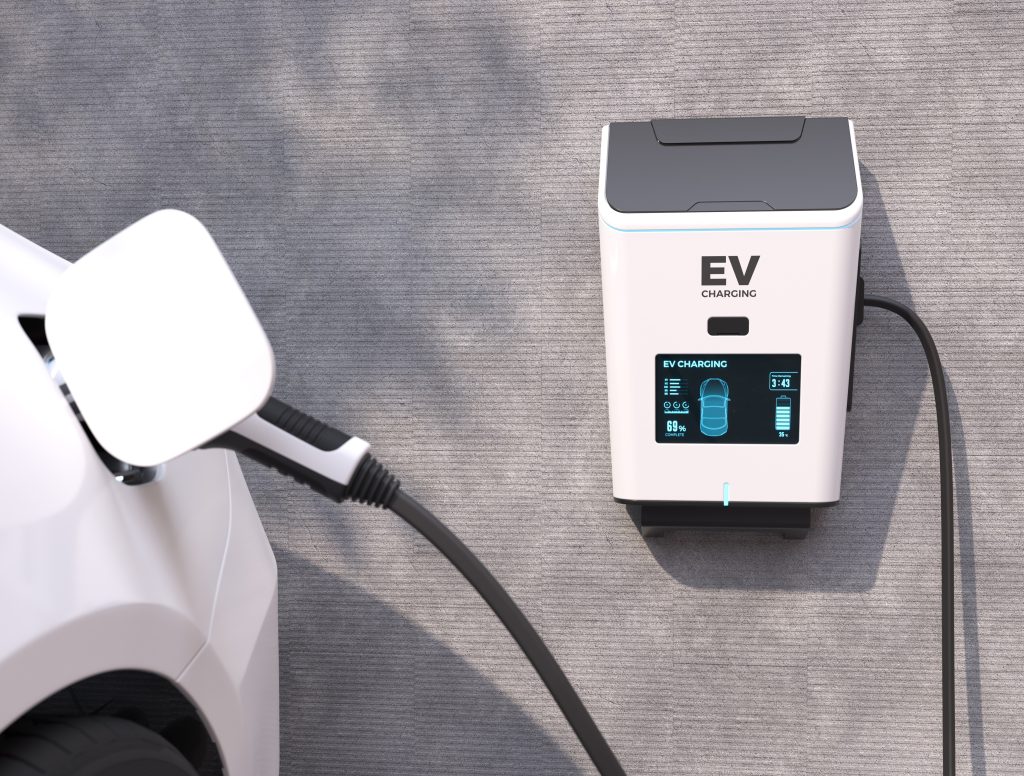
If you install EV charging in Essex today, a smart 7 kW home charger is the best balance of cost and convenience — typical installed prices range from around £650–£1,500 and eligible households (renters/flat owners or on‑street solutions) can claim up to £350 from the UK government OZEV grant.
EV charging in Essex — quick overview
What we offer: local EV charger installation across Essex and the South East, plus solar PV, battery storage, and air‑source heat pump integration to create a single smart energy system.
Why local matters: installers in Essex understand local planning, parking layouts, and grid constraints, which reduces delays and unexpected costs.
Benefits of home EV charging
- Convenience: charge overnight at home rather than relying on public points.
- Lower running costs: typical home electricity rates make home charging significantly cheaper per mile than public rapid chargers.
- Smart control & future proofing: smart chargers enable scheduled charging, load balancing, and integration with solar and batteries for lower bills and resilience.
- Grants & incentives: up to £350 towards installation for eligible households and workplace schemes for businesses.
Typical costs and a worked example
- Charger hardware: £350–£1,200+ depending on model and power.
- Installed price (7 kW typical): £650–£1,500 including labour for most Essex homes.
- Extra works: consumer unit upgrades £300–£500, long cable runs or supply upgrades add more.
Example saving: charging 30 kWh/week at 15p/kWh costs £4.50/week at home vs ~45p/kWh public rapid = £13.50/week; saving ~£9/week, so a £1,000 install could pay back in ~2–3 years depending on driving and tariffs.
Comparison table — charger options
| Type | Power | Typical install cost | Best for |
|---|---|---|---|
| Slow (3.6 kW) | 3.6 kW | £500–£900 | Overnight charging low-mileage homes |
| Standard (7 kW) | 7 kW | £650–£1,500 | Most homes; 0–200 miles/week |
| Fast (11–22 kW) | 11–22 kW | £1,000+ | Flats/garages with three‑phase supply |
| Public rapid | 50 kW+ | Pay-per-use | Long trips; not cost-effective daily |
Integrating solar, battery and heat pumps
- Solar PV: daytime charging from panels reduces marginal cost of miles to near zero once paid off.
- Battery storage: stores excess solar for evening charging and peak‑time avoidance.
- Heat pumps: shift heating load to low‑cost periods and pair with smart controls to optimise total household energy use.
Bundling these systems delivers the largest lifetime savings and improves grid independence.
Risks, trade-offs and practical tips
- Grid constraints: some streets may need supply upgrades; get a site survey.
- Scams & low‑quality installs: always use OZEV‑approved installers and certified chargers.
- Warranty & maintenance: check warranties for charger, inverter (if solar), and heat pump; ask about aftercare.